When it comes to top-tier, premium residential solar panels in Australia, SunPower Maxeon is widely regarded as the absolute gold standard. Spin off from the original SunPower brand, Maxeon panels don’t compete on price. Instead, they compete on raw, unadulterated engineering, class-leading efficiency, and an industry-shattering 40-year product and performance warranty.
If you are looking to build a premium solar setup for your home, your property, or a heavy-duty off-grid structure, you will inevitably face a choice between their two flagship series: the widely successful Maxeon 6 and the ultra-premium Maxeon 7.
Let’s put these two engineering heavyweights head-to-head to analyze what has actually changed between generations, and determine whether the Maxeon 7 is worth the extra premium price tag.
(Place Photo Here: A premium split-screen comparison image displaying the sleek, completely black, grid-free aesthetics of the Maxeon 6 and Maxeon 7 panels side by side)
The Underlying Tech: What is IBC?
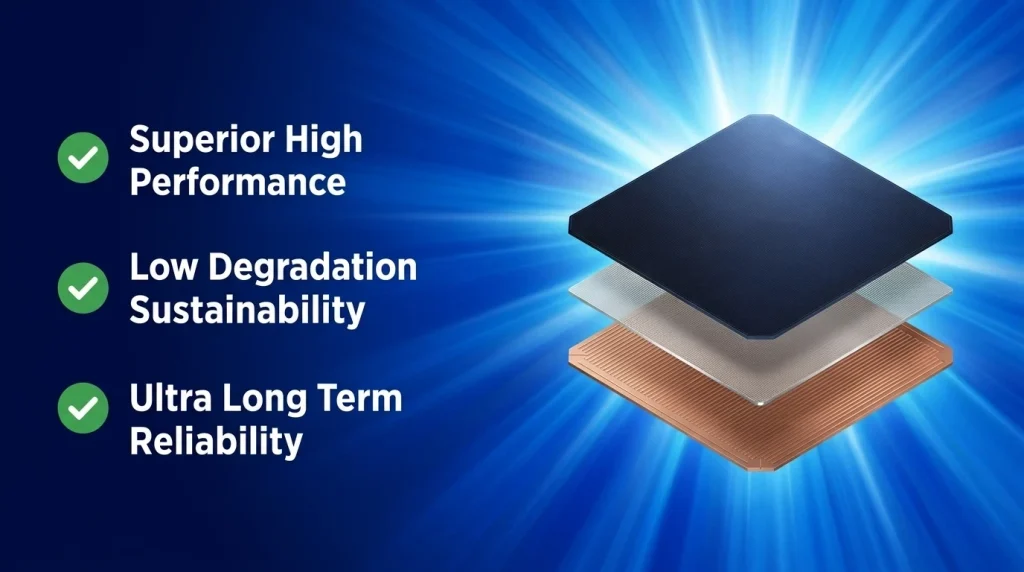
Before comparing them, it’s vital to understand why Maxeon panels perform so well. Both the Maxeon 6 and Maxeon 7 utilize Interdigitated Back Contact (IBC) cell technology.
Traditional solar panels have silver metal lines running across the front grid to collect power, which blocks a portion of incoming sunlight. Maxeon moves 100% of these electrical connectors to the back of the cell. This creates a completely clean, uniform black front surface that absorbs maximum sunlight while providing a beautiful, premium aesthetic for your roof. Furthermore, each cell sits on a thick, solid copper foundation that makes them virtually immune to microcracks caused by thermal expansion or flexing under high winds.
The Hard Specs: Maxeon 6 vs Maxeon 7
Let’s see how these two flagship generations compare side-by-side on paper:
| Specification | SunPower Maxeon 6 | SunPower Maxeon 7 |
| Max Panel Efficiency | Up to 22.8% | Up to 24.1% (Class-Leading) |
| Power Output Options | 410W – 440W | 435W – 445W |
| Temperature Coefficient | -0.29% / °C | -0.27% / °C (Better Heat Tolerance) |
| Annual Degradation | 0.25% per year | 0.25% per year |
| Warranty (Product/Power) | 40 Years / 40 Years | 40 Years / 40 Years |
| Guaranteed Output at Year 40 | 88.3% | 88.3% |
Key Upgrades: What Makes the Maxeon 7 Different?
1. Cruising Past the 24% Efficiency Barrier
Panel efficiency dictates how much electricity a module can generate from a limited amount of surface area. While the Maxeon 6 already beats most standard industry panels at 22.8%, the Maxeon 7 utilizes an updated 112-cell design format to push maximum panel efficiency all the way up to 24.1%. It is one of the highest commercially available efficiency ratings on the planet. If your roof layout has limited space or awkward shading angles, the Maxeon 7 squeezes out significantly more power per square meter.
2. Superior Hot Weather Performance (-0.27% / °C)
Solar panels actually lose efficiency as they heat up on blazing summer days. The rate at which they drop power is called the temperature coefficient. The Maxeon 7 features an incredibly low power temperature coefficient of just -0.27%/°C (down from -0.29%/°C on the Maxeon 6). For Aussie homeowners dealing with 40°C+ summer heat waves, the Maxeon 7 will drop less power during peak sun hours compared to almost any other panel on earth.
3. An Unmatched 40-Year Warranty
Maxeon offers a jaw-dropping 40-year product, service, and power performance warranty on both lines. Most industry panels stop their product warranties at 15 or 25 years. Maxeon guarantees that after 40 full years of baking under the harsh Australian elements, your panels will still produce at least 88.3% of their original rated output.
The Downside: The Premium Cost
There is no beating around the bush—Maxeon panels are among the most expensive solar modules on the market. If you are looking for a quick, cheap budget solar install to flip a house or save a few dollars upfront, Maxeon is not the right choice. These panels are a long-term infrastructure investment designed for homeowners who want absolute reliability over decades.
The Verdict: Which One Should You Buy?
- Maxeon 6: Stick with the Maxeon 6 if: You want premium, elite-tier reliability, an incredible 40-year warranty, and excellent efficiency, but want to save slightly on the raw equipment cost compared to the absolute bleeding-edge generation. [1, 2]
- Maxeon 7: Upgrade to the Maxeon 7 if: You have a small or highly complex roof footprint where space is limited, you live in an area prone to severe summer heat waves, and you want to install the most efficient, advanced residential solar technology currently available. [1, 2]
Ready to explore premium solar infrastructure options?
- Australian Readers: Check local installer stock and regional promotions on Maxeon Australia.
- US Readers: Check matching stock and certified installer availability on Maxeon US.